
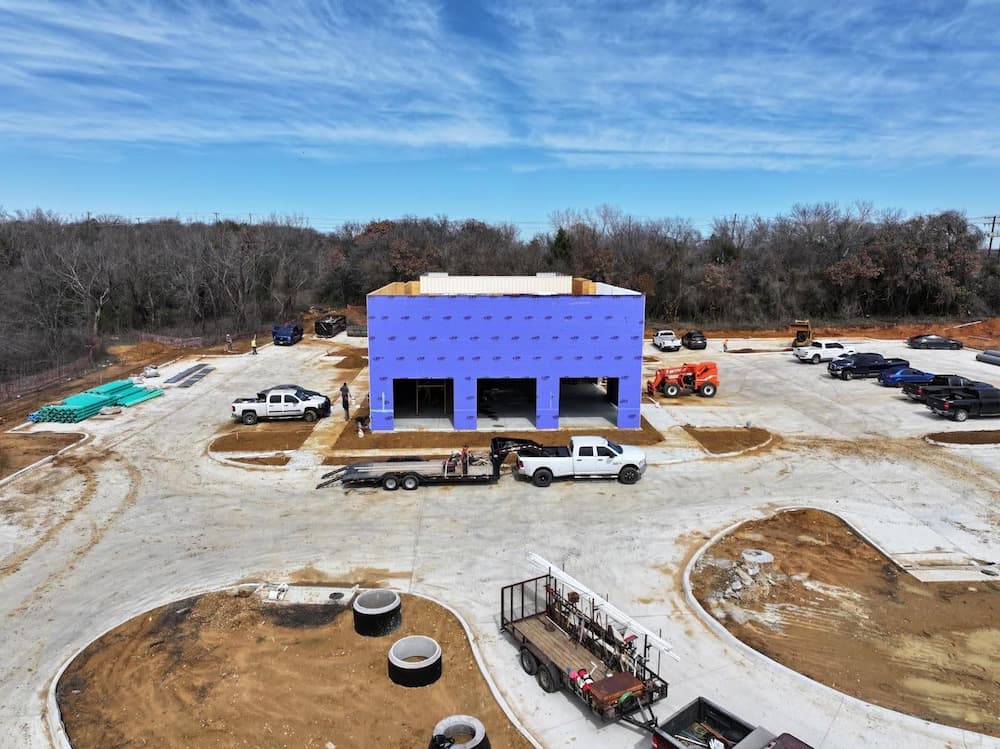
In 2024, 1.628 million new housing units were completed, a 12.4% increase from 2023. This increase relates to an improved need for efficient and impactful building and Pre-Engineered Metal Buildings (PEMB) are leading the way.
With their quick turnaround, cost-efficient and durable construction, PEMBs are the future of modern construction. In this post, FAB Forward LLC explores the key advantages of PEMB and why they’re shaping the future of modern building.
Rethinking Building for a Smarter Tomorrow
Innovations in building materials are expanding the possibilities of PEMBs. Advanced materials like carbon fiber, aluminum alloys, and graphene are being added to steel to enhance the strength and reduce the weight of building components. This makes building multistory pre-engineered buildings a possibility to maximize land space.
Real-World Examples of Innovation: PEMBS in Action
Manufacturers have been busy developing insulated metal panels (IMPs) with various finishes and textures to mimic building materials, such as concrete, stucco, and wood grain, to enhance the aesthetics while maintaining the benefits of PEMBs.
What Makes PEMBs a Future-Forward Choice?
PEMBs are perfect for facilities that need design flexibility or require that they be easily expanded or upgraded on demand. Learn why PEMBs are ideal for those conditions.
Efficiency, Flexibility, and Speed
The design flexibility of PEMBs allows for customization to meet specific operational needs, such as accommodating oversized equipment like cranes or conveyors. Once these conditions are incorporated into the design, the components are fabricated and then transported and assembled onsite. Building a customized structure from scratch could take significantly longer than a PEMB.
Cost-Effective from Start to Finish
Because the design process of a PEMB helps minimize errors and consumes less time, the design, fabrication, and assembly process is done more efficiently and more cost-effectively than a structure that is built from scratch.
Innovation in PEMB Design: The Role of Advanced Software
The demand for modular, expandable structures and temporary constructions has grown exponentially over the years, making it a priority to research the possibilities of a more efficient modern metal building design process. In a recent study, research was conducted on the feasibility of establishing a computational design tool that automates the modeling and design of PEMBs when inputting dimension parameter adjustments, such as length, width, eave height, and roof slope, instead of having to redefine and redraw sizes and dimensions manually. The researchers in this study recommended further research on a possible design tool that would also be able to recommend optimal structural dimensions based on project-specific requirements.
How BIM is Shaping the Future of PEMBs
While we wait for the realization of a fully automated design process, Building Information Modeling (BIM) offers the most efficient, collaborative, and advanced design process to date. It provides enhanced visualizations and real-time project management tracking to maximize cost-efficiency.
Integrated Design Platforms and Customization
Software like BIM can generate and integrate files to be used by fabrication equipment. This helps in minimizing errors when fabricating unique sizes and shapes of PEMB components.
Why Developers and Architects Are Turning to PEMBs
These buildings are constructed with steel that has an exceptional strength-to-weight ratio, resists corrosion and moisture-related issues, is noncombustible, and is joined together with strong connecting joints.
The PEMBs from FAB Forward can be customized with elevated floors, wall cladding, fire-resistant insulation, braced frames, and moment-resisting connections for a stronger, longer-lasting building.
Partner with FAB Forward Metals LLC for Forward-Thinking PEMB Projects
Now that you understand how PEMBs can be advantageous in high climate risk areas or customized to suit very specific functional or aesthetic needs, you’ll want to learn more information on how PEMBs can fit your durability, customization, and budget requirements. Start your PEMB design process by filling out our website contact form.