Is a pre-engineered metal building cheaper than traditional stick-built construction? In most cases, yes. Steel is one of the most widely produced and readily available construction materials in the world, which helps keep raw material costs manageable. When you factor in faster installation times, reduced labor hours, and lower long-term maintenance expenses, pre-engineered metal buildings typically deliver a better overall value than conventional wood-frame or masonry construction of comparable size.
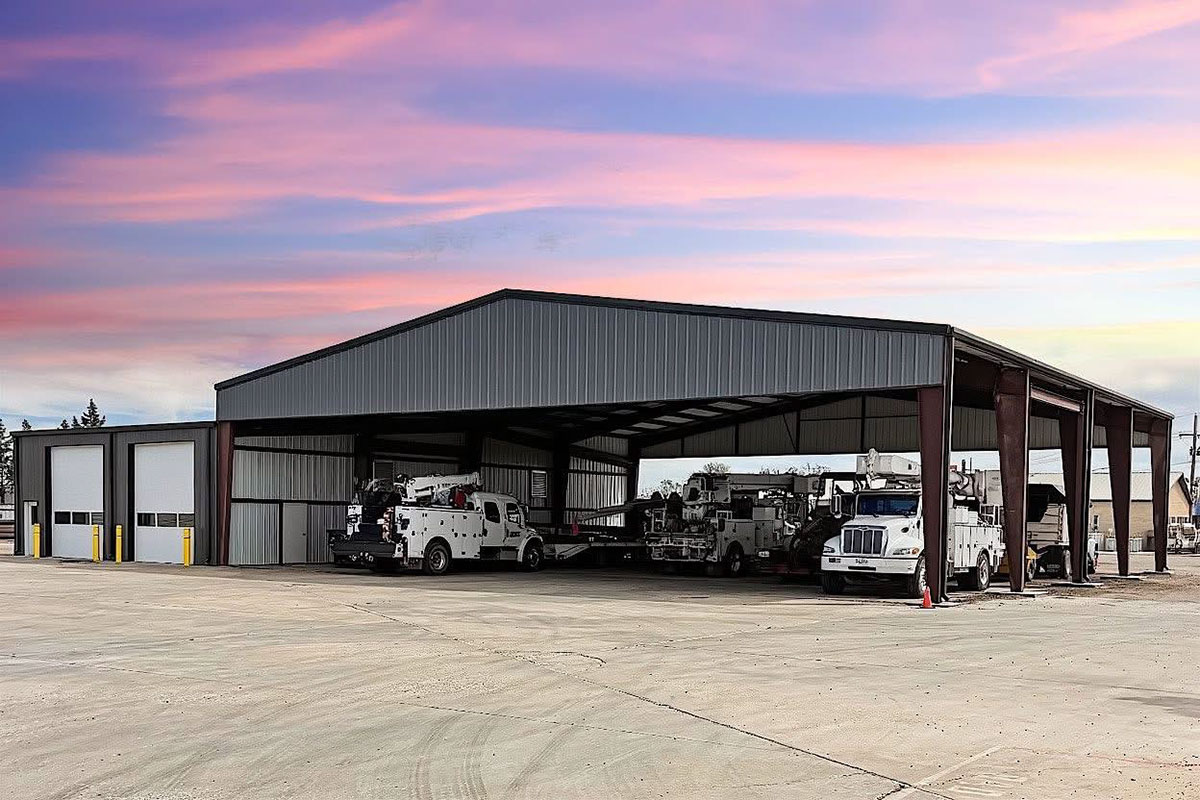
Can I customize a pre-engineered metal building, or am I stuck with standard sizes? Pre-engineered metal buildings are highly customizable. You have control over the dimensions, roof style, eave height, roof pitch, exterior color, and the number, size, and placement of every door and window opening. You can also add lean-tos, interior partitions, insulation packages, and various trim details. The “pre-engineered” label refers to how the structure is designed and fabricated, not a limitation on what you can build.
Do I need a building permit for a pre-engineered metal building? Permit requirements vary widely depending on your city, county, and state. Many rural areas have minimal or no permitting requirements, while municipalities and commercial zones typically require permits, site plans, and engineered drawings before you can break ground. As a general rule, always check with your local building department before ordering. At FAB Forward Metals, we can provide engineer-stamped drawings and documentation to support your permit application.
Does my location affect the cost of the building? Absolutely, and it’s one of the biggest variables in the price. Every pre-engineered metal building is engineered to meet the specific wind speed, snow load, and seismic requirements for your location. A building destined for the Texas Hill Country will be engineered very differently from one going to northern Minnesota or coastal Louisiana. Higher load requirements mean heavier structural steel, which directly increases cost. Always give your supplier your exact location when requesting a quote.
How long does it take to receive a pre-engineered metal building after ordering? Lead times vary depending on the manufacturer, building size, complexity, and current production schedules. Typical lead times for a standard building package range from a few weeks to a couple of months from order to delivery. More complex or heavily customized buildings may take longer. We’ll give you a realistic timeline upfront so you can plan your project accordingly.
What is the difference between 12-gauge and 14-gauge steel framing? Gauge refers to the thickness of the steel, and counterintuitively, a lower gauge number means thicker steel. A 12-gauge frame member is thicker and stronger than a 14-gauge one. For most standard applications, 14-gauge framing provides adequate strength. However, for larger buildings, high-load environments (heavy snow, high wind regions), or commercial applications where extra durability is a priority, the heavier 12-gauge framing is worth the upgrade.
Are pre-engineered metal buildings safe? What about fire resistance? Yes. Pre-engineered metal buildings are engineered to meet or exceed local building codes for structural integrity, including the live loads, dead loads, wind forces, and snow weights specific to your region. From a fire standpoint, steel is non-combustible, it won’t feed a fire the way wood framing can. While steel can be affected by extreme heat over time, its resistance to ignition gives occupants and emergency responders more time to respond compared to combustible framing materials.
What prep work do I need to do before my pre-engineered metal building is installed? Site preparation is a critical step that often gets overlooked in early budgeting. Before your building can be erected, you’ll typically need to complete site clearing and grading, confirm that underground utilities (water, gas, electric) are located and marked, and have a concrete slab or foundation poured and cured. Some jurisdictions also require soil testing. The flatter, cleaner, and more accessible your site, the smoother the installation process will go.
Are there financing options available for pre-engineered metal buildings? Yes, financing options are commonly available for bolt-up metal building purchases. Depending on the total project cost and your situation, options may include traditional construction loans, equipment financing, or rent-to-own programs for smaller building packages. Contact the FAB Forward Metals team to discuss what financing solutions may be available for your project.
Can I retrofit or expand a pre-engineered metal building later? One of the major advantages of pre-engineered construction is its adaptability. Many buildings can be expanded by adding bays to either end or attaching lean-to additions to the sidewalls. The key is planning for future expansion upfront, some structural decisions made at the time of initial design (like end-wall framing type) make future expansion much easier and more affordable. If you think you might expand later, tell us at the quoting stage and we’ll design with that in mind.Have more questions? Reach out to the FAB Forward Metals team. We’re happy to walk you through everything before you commit to a single dollar.